Featured

BETTER UTILITY THAN A TRUCK WITH MORE PERFORMANCE THAN A SPORTS CAR

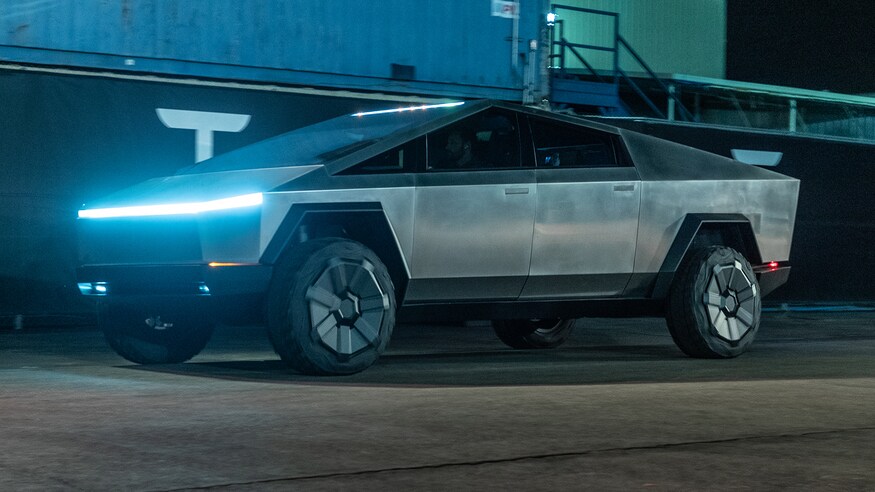
Click on the image to watch a video on tesla Cybertruck.

Tesla Cybertruck Cybertruck is built with an exterior shell made for ultimate durability and passenger protection. Starting with a nearly impenetrable exoskeleton, every component is designed for superior strength and endurance, from Ultra-Hard 30X Cold-Rolled stainless-steel structural skin to Tesla armor glass. ULTRA-HARD 30X COLD-ROLLED STAINLESS STEEL is used to Help eliminate dents, damage and long-term corrosion with a smooth monochrome exoskeleton that puts the shell on the outside of the car and provides you and your passengers maximum protection. Ultra-strong glass and polymer-layered composite can absorb and redirect impact force for improved performance and damage tolerance.

The Tesla Cybertruck is an all-electric battery-powered light commercial vehicle in development by Tesla, Inc. Three models have been announced, with range estimates of 250–500 miles (400–800 km) and an estimated 0–60 mph time of 2.9–6.5 seconds, depending on the model.

The stated goal of Tesla in developing the Cybertruck is to provide a sustainable energy substitute for the roughly 6,500 fossil fuel powered trucks sold per day in the United States.

The truck will use self-leveling suspension which compensates for variable load and some models will have all-wheel drive. Other standard features include on-board power inverters for supplying both 120 and 240-volt electricity, allowing use of power tools without a portable generator. An air compressor for powering pneumatic tools is included. The exterior stainless steel sheet-metal is bullet-resistant against 9 mm caliber bullets as well. All vehicles will also come standard with Tesla Autopilot, and will have the hardware capabilities for fully autonomous operation. As of November 2019, Tesla was accepting pre-orders for $100, with a $7,000 ‘full self-driving’ option.
Featured

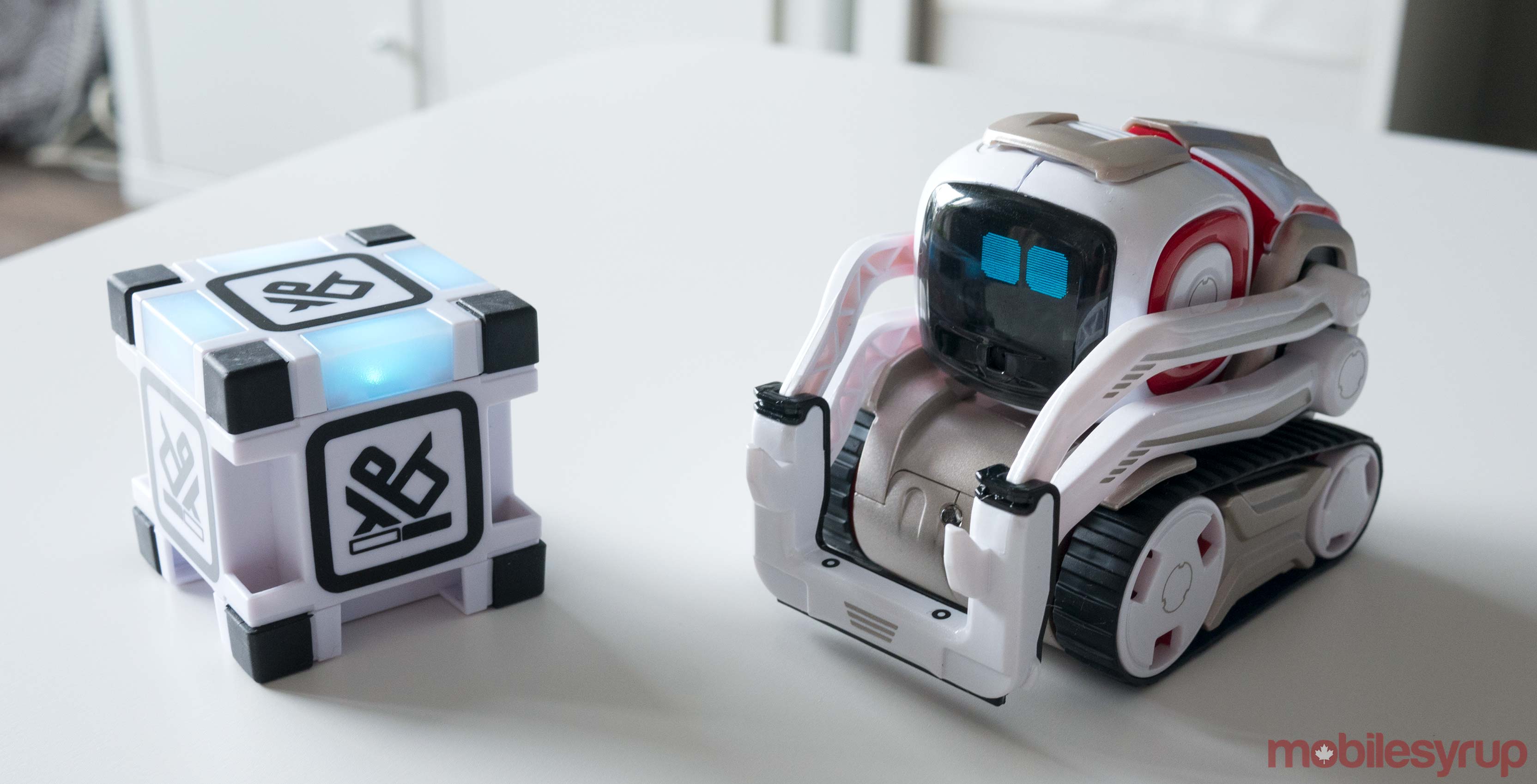
“The smartest, cutest AI-powered robot you’ve ever seen. “

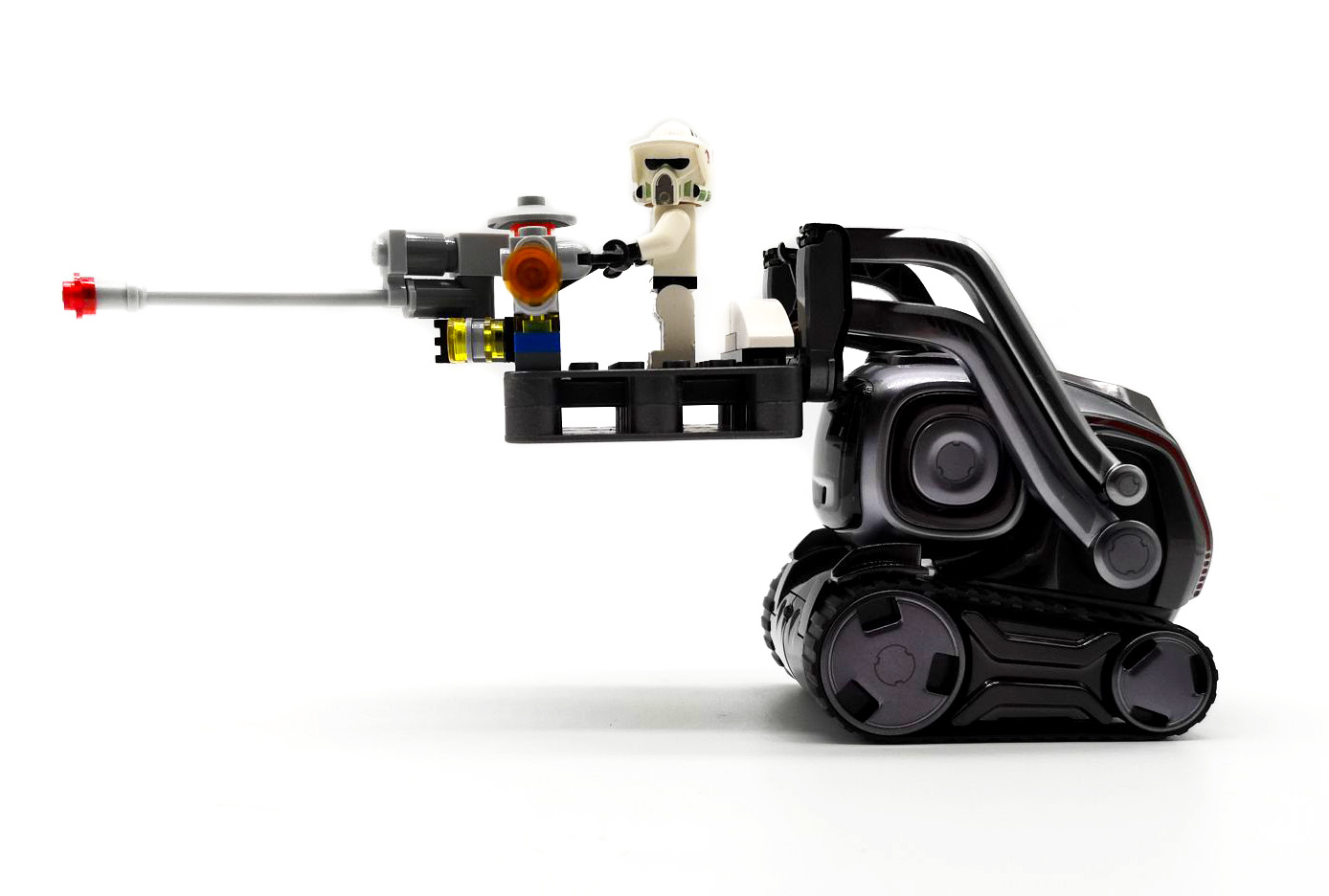
Click on the image to watch a video on Cozmo robot.

Meet Cozmo, a gifted little guy with a mind of his own. He’s a real-life robot like you’ve only seen in movies, with a one-of-a-kind personality that evolves the more you hang out. He’ll nudge you to play and keep you constantly surprised. Cozmo’s your accomplice in a crazy amount of fun.

Human beings have an uneasy relationship with robots. We’re fascinated by the prospect of intelligent machines. At the same time, we’re wary of the existential threat they pose, one emboldened by decades of Hollywood tropes. In the near-term, robots are supposed to pose a threat to our livelihood, with automation promising to replace human workers while the steady march of artificial intelligence puts a machine behind every fast food counter, toll booth, and steering wheel.

In comes Cozmo. The palm-sized robot, from San Francisco-based company Anki, is both a harmless toy and a bold refutation of that uneasy relationship so loved by film and television. The $180 bot, which starts shipping on October 16th, is powered by AI, and the end result is a WALL-E-inspired personality more akin to a clever pet than a do-everything personal assistant.

The company largely succeeds here. In my time with Cozmo over the years, it’s been an endearing experience to discover all of the robot’s many subtle quirks, and to revisit what it’s like to play with something that feels mysteriously organic in ways you can’t quite understand. I’m reminded of childhood experiences trying to push the linguistic limits of the Furby I got for Christmas, and later on finding myself fascinated by the perceived depth of the AOL Instant Messenger bot SmarterChild.

This is intentional. Cozmo is supposed to appeal to young kids and early teenagers. It’s the same demographic Anki targeted with its first product line: a series of smartphone-controlled toy cars that can deftly maneuver a circuit-embedded track. The company, founded by Carnegie Mellon roboticists, has always proclaimed its interest in AI and robotics. Yet until the unveiling of Cozmo earlier this year, it was unclear how a toy car startup could make use of such expertise. Now, it’s evident all the software and hardware experience has paid off.

Unlike its less sophisticated predecessors in the toy market, Cozmo has advanced software to backup its smarts. Anki has programmed the robot with what it calls an emotion engine. That means Cozmo can react to situations as a human would, with a full range of emotions from happy and calm to frustrated and bold. If you pick it up, Cozmo’s blue square-shaped eyes will turn to angry slivers and its lift-like arms will raise and fall rapidly to exhibit its displeasure. Agree to play a game with Cozmo, however, and its eyes will turn into upside-down U’s to show glee. When it loses at a contest, it’ll get mad and pound the table.

A new vision for computing

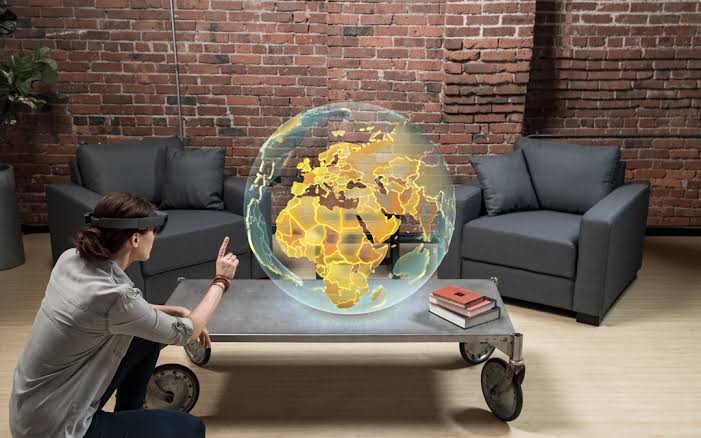
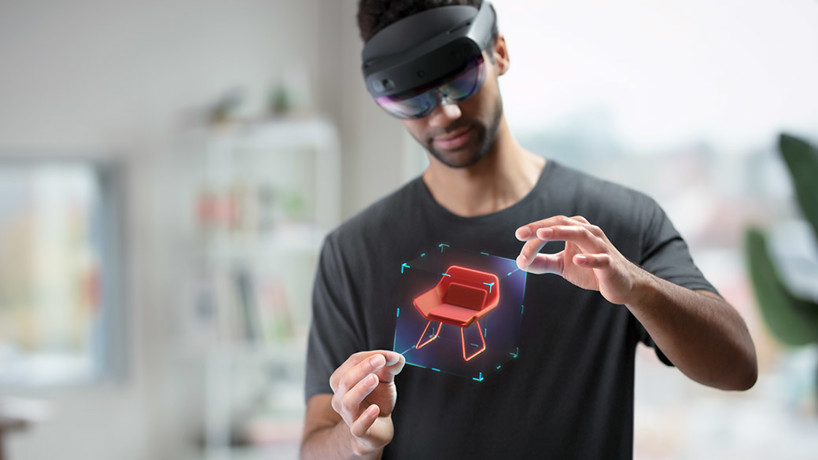
Click on the image to watch a video on microsoft hololens 2

Mixed reality on HoloLens 2 combines an untethered device with apps and solutions that help people across your business learn, communicate, and collaborate more effectively. It’s the culmination of breakthroughs in hardware design, AI, and mixed reality development from Microsoft, designed to help you lead your industry into the future—starting today.

Microsoft HoloLens 2 is a pair of mixed realitysmartglasses developed and manufactured by Microsoft. It is the successor to the pioneering Microsoft HoloLens. On February 24, 2019 the Hololens 2 enterprise edition debuted as the first variant of the device, followed by a developer edition that was announced on May 2, 2019. It was subsequently released in limited numbers on November 7, 2019. HoloLens 2 was announced by Alex Kipman on February 24, 2019 at MWC in Barcelona, Spain. On August 29, 2019, at the World Artificial Intelligence Conference in Shanghai, Microsoft‘s Executive Vice President, Harry Shum, revealed that HoloLens 2 will go on sale sometime in September 2019. The product started shipping on November 7, 2019.

Pilot for cars?

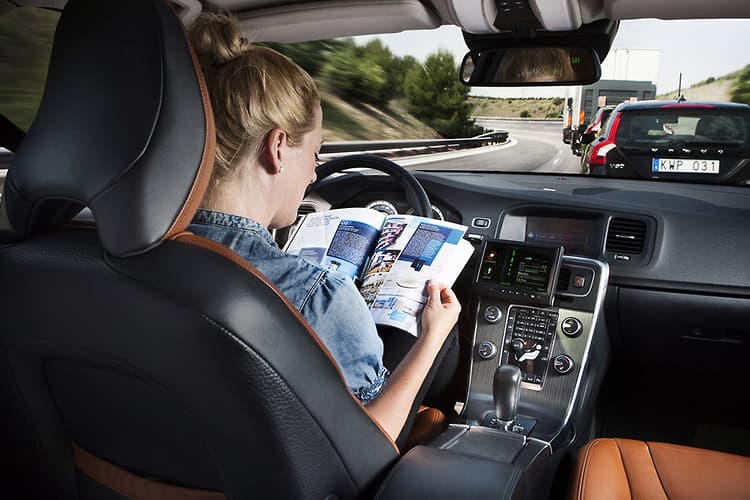
Click on the image to watch a video on audi autopilot

The Audi initiative for a responsable use of new technological developments such as autonomous driving and artificial intelligence. Audi Autopilot, a driverless future for Relaxed driving, more road safety, less congestion and environmental impact: Autonomous driving, thanks to its many advantages, is one of the most important fields of development at Audi. Over 15 years of ongoing research and testing are continuously incorporated into series development.

Of all the luxury car brands, Audi has been the most aggressive in terms of putting semi-autonomous technology into its production cars. Now the German automaker is offering a sneak peek of its effort to build fully driverless cars, as well as one of the partners it says will be instrumental in putting self-driving cars on the road by 2021. Like most AV programs, the Audi division uses software and deep learning-based approaches to process all the sensing data picked up by its suite of sensors, such as LIDAR point clouds, camera pixels, and radar echoes. This perception data models the vehicle’s environment, both near and far, by detecting objects, vehicles, pedestrians, and other challenging obstacles. That said, Audi is not as far ahead as other automakers in developing and deploying automated vehicles. Waymo, the self-driving division of Alphabet, just launched a very limited commercial robot taxi service outside of Phoenix, Arizona. GM says it will unveil its own ride-hailing service in San Francisco in 2019. Audi is aiming to deploy its robot taxis at scale in 2021, the same year targeted by Ford for its service.

Robots for display

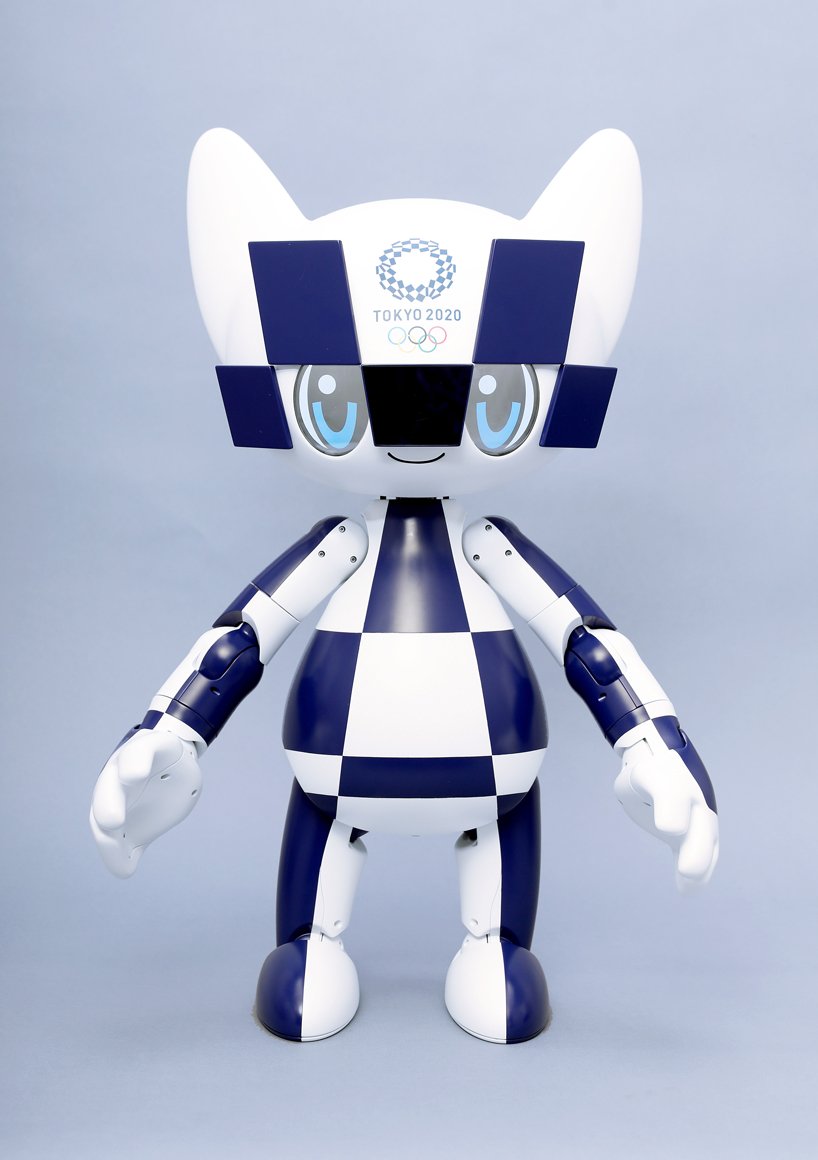
Click on the image to watch a video on mascot robots

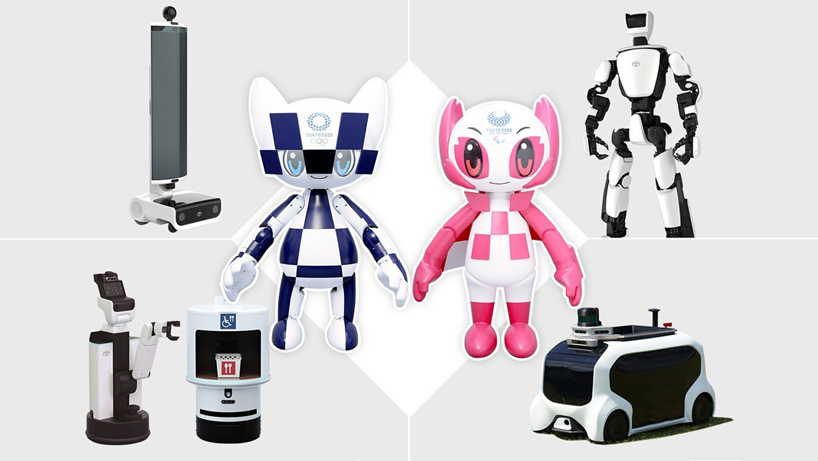
titled the ‘tokyo 2020 robot project’, toyota has introduced a series of 7 robots specially designed for the 2020 olympic and paralympic games being held in tokyo next year. as partner for the sporting event, the devices showcase the company’s innovative robotic technology to a global audience. from the playful mascots – called ‘miraitowa’ and ‘someity’ – to assistance and field support robots, the initiative is dedicated to ‘mobility for all’ and intends to optimize the experience of both participants and spectators.

with the concept of ‘mobility for all’ in mind, toyota has also developed the tokyo 2020 robot project to provide assistance to those with reduced movement. the human support robot (HSR) and delivery support robot (DSR) will help during the games by guiding spectators to their seats and make them more comfortable by delivering refreshments they can order via a tablet. and finally, the field support robot (FSR) is designed to help ground staff by recovering thrown items during sporting events.The Tokyo 2020 Olympic Games mascot has the same indigo blue ichimatsu-patterns as the Tokyo 2020 Games Emblem on its head and body.

PC in your pocket

Click on the image to watch a video on raspberry pi

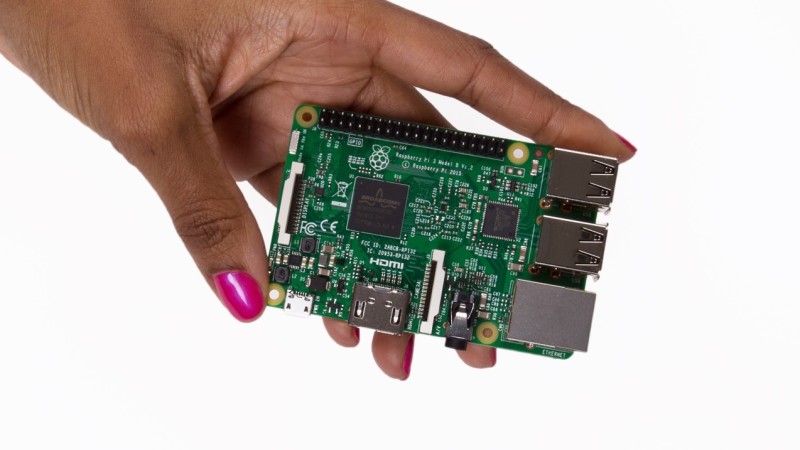
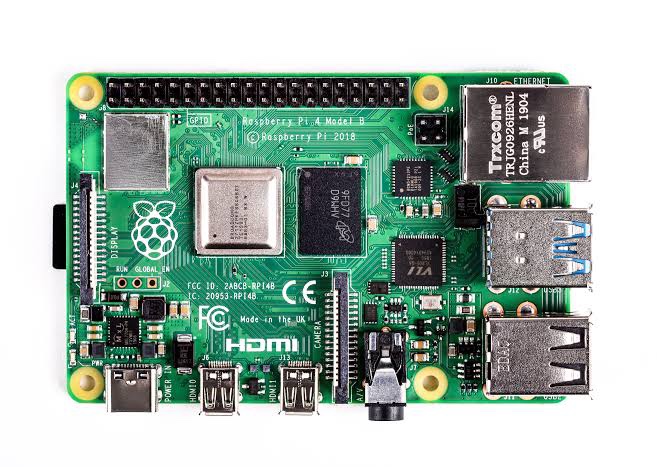
The Raspberry Pi is a low cost, credit-card sized computer that plugs into a computer monitor or TV, and uses a standard keyboard and mouse. It is a capable little device that enables people of all ages to explore computing, and to learn how to program in languages like Scratch and Python.An SD card inserted into the slot on the board acts as the hard drive for the Raspberry Pi. It is powered by USB and the video output can be hooked up to a traditional RCA TV set, a more modern monitor, or even a TV using the HDMI port.

The Raspberry Pi is a series of small single-board computers developed in the United Kingdom by the Raspberry Pi Foundation to promote teaching of basic computer science in schools and in developing countries. The original model became far more popular than anticipated, selling outside its target market for uses such as robotics. It does not include peripherals (such as keyboards and mice) or cases. However, some accessories have been included in several official and unofficial bundles.

The organisation behind the Raspberry Pi consists of two arms. The first two models were developed by the Raspberry Pi Foundation. After the Pi Model B was released, the Foundation set up Raspberry Pi Trading, with Eben Upton as CEO, to develop the third model, the B+. Raspberry Pi Trading is responsible for developing the technology while the Foundation is an educational charity to promote the teaching of basic computer science in schools and in developing countries.

According to the Raspberry Pi Foundation, more than 5 million Raspberry Pis were sold by February 2015, making it the best-selling British computer. By November 2016 they had sold 11 million units and 12.5m by March 2017, making it the third best-selling “general purpose computer”. In July 2017, sales reached nearly 15 million. In March 2018, sales reached 19 million.

The future of gaming is not a box.

Click on the image to watch a video on google stadia.

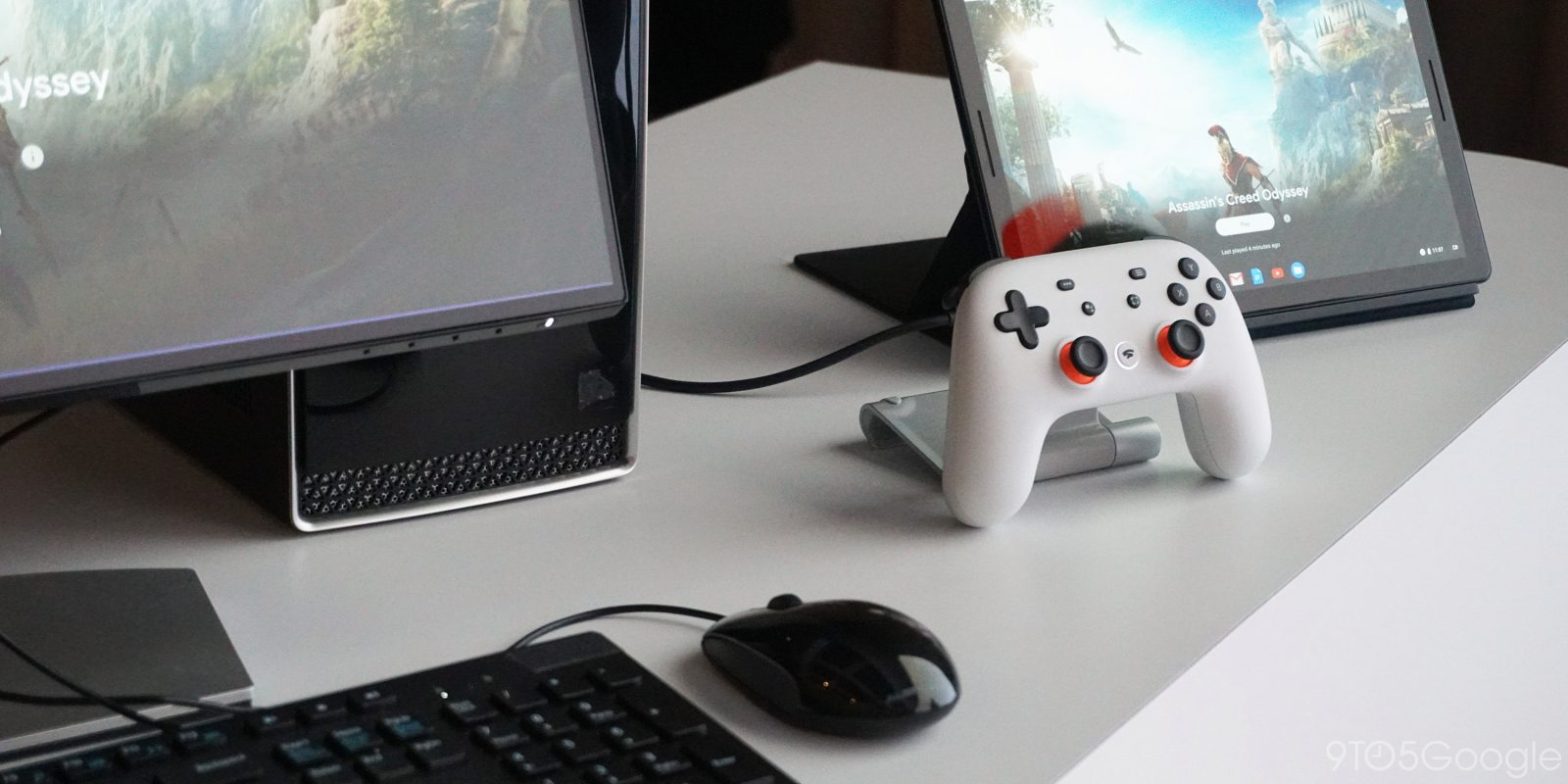
Google stadia is a revolution to the way you game. Play across multiple devices, including laptops, desktops, and selected phones and tablets. Go from watching a video to playing a game in seconds, with even more innovative experiences to come for selected games. Enjoy gaming the way you like it, with beautiful HDR graphics and smooth frame rates.4K HDR at 60 FPS is dependent on your bandwidth. Gameplay experience may vary based on the quality of your Internet connection. No updates, no downloads. Dive right into the game. Stadia’s cloud‑based infrastructure evolves to meet the demands of players, developers and YouTube creators.

Stadia is a cloud gaming service operated by Google. It is advertised to be capable of streaming video games up to 4K resolution at 60 frames per second with support for high-dynamic-range, to players via the company’s numerous data centers across the globe, provided they are using a sufficiently high-speed Internet connection. It is accessible through the Google Chrome web browser on desktop computers, or through smartphones, tablets, smart televisions, digital media players, and Chromecast.

The service is integrated with YouTube, and its “state share” feature allows viewers of a Stadia stream to launch a game on the service on the same save state as the streamer. This has been used as a selling point for the service. It is compatible with HID class USB controllers, though a proprietary controller manufactured by Google with a direct Wi-Fi link to data centers is available alongside the service. Stadia is not similar to Netflix, in that it requires users to purchase games to stream via Stadia rather than pay for access to a library of games. While the base service will be free, a Pro tier monthly subscription allows users to stream at higher rates for larger resolutions, and the offer to add free games to their library.

Known in development as Project Stream, the service was debuted through a closed beta running Assassin’s Creed Odyssey in October 2018. Stadia was publicly released on November 19, 2019 in selected countries and received a mixed reception from reviewers. The service competes with Sony‘s PlayStation Now service, Nvidia‘s GeForce Now, and Microsoft‘s Project xCloud.


You have never seen a watch like this.

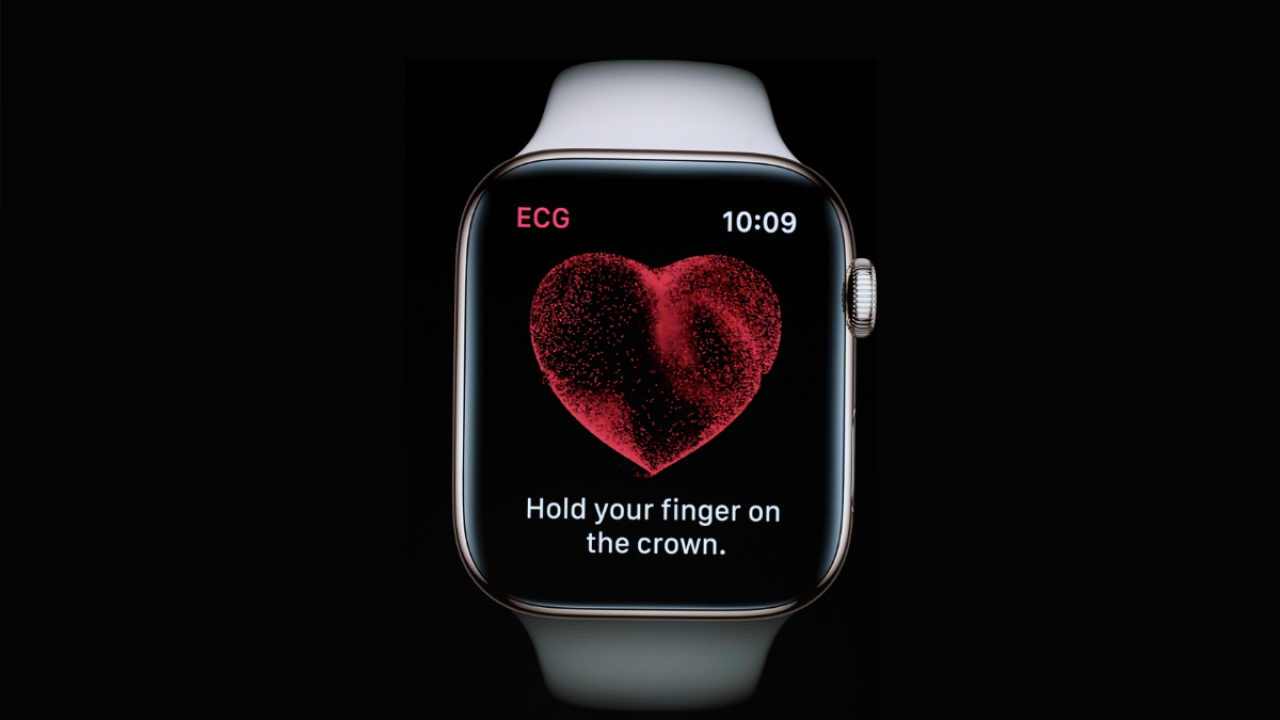
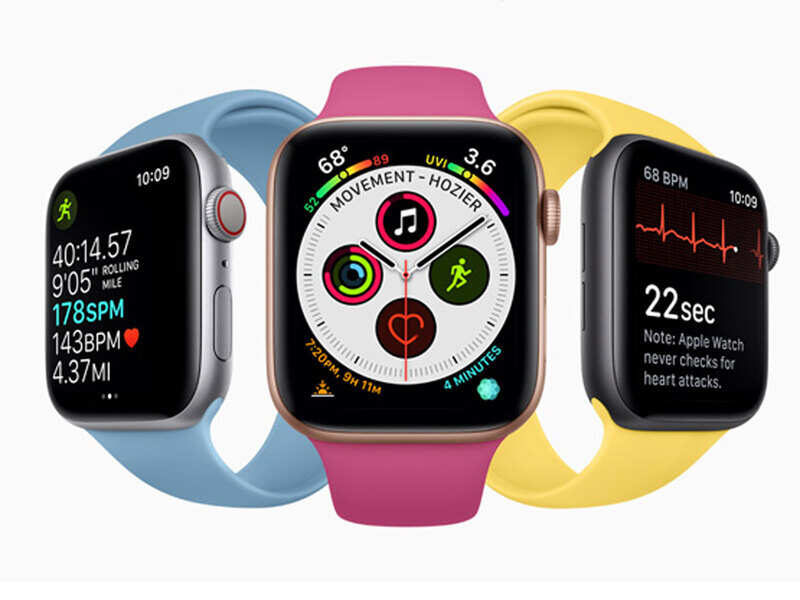
Click on the image to watch a video on apple watch series 5.

Apple watch series 5.This watch has a display that never sleeps. Get a quick read on your heart rate, or check your heart rhythm with the ECG app. The new Noise app alerts you when decibels rise to levels that can impact your hearing. With advanced workout metrics, GPS and water resistance to 50 metres, it’s made for all the ways you exercise.

Apple Watch is a line of smartwatches designed, developed, marketed and sold by Apple Inc. It incorporates fitness tracking and health-oriented capabilities with integration with iOS and other Apple products and services.

Apple Watch uses a wireless connection to an iPhone to perform functions such as calling and texting, and can independently connect to a Wi-Fi network for some tasks. Series 3 and later LTE Apple Watches can independently connect to a mobile network, largely obviating the need for an iPhone after initial setup. First-generation and Series 1 and 2 Apple Watches require an iPhone 5 or later with iOS 10 or later; Series 3 and later LTE models require an iPhone 6 or later with iOS 11 or later.

The Apple Watch was released on April 24, 2015 and quickly became the best-selling wearable device: 4.2 million were sold in the second quarter of fiscal 2015. The Apple Watch Series 5, announced on September 10, 2019, became available on September 20, 2019. Series 4 was discontinued. Apple Watch Series 3 now sells at a lower price-point.

Design a site like this with WordPress.com
Get started